
Former BCG Project Leader, Julianna sat down with us to talk about her journey from consulting to leading and transforming an insurance company, while also dealing with the challenges of parenting three girls.
Balázs Kotnyek: Thank you very much, Juli, for this opportunity to talk to you. Just for those who don’t know you: you started at BCG back in 2004.
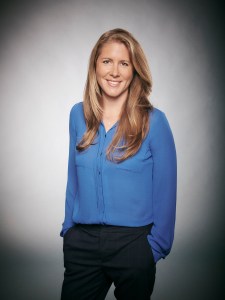
Julianna Dinsdale: My path in consultancy started in Toronto in 2001. I worked for Bearing Point for the Strategy Division, mostly on various projects for the Canadian banking sector. I decided to move to Budapest in 2004, where I joined BCG as a Senior Associate. My first couple of years were very interesting, I learned a lot and really enjoyed the culture at BCG. Perhaps my most exciting project was developing a greenfield bank for a leading Hungarian insurance company. After the project they asked me to join the bank to operationalize what I put down on paper. It was a difficult decision because I couldn’t imagine leaving BCG but the thought of starting up a greenfield bank on a market was an incredibly unique opportunity. I couldn’t pass that up, so I joined Allianz Bank as Managing Director responsible for product development, process development, PMO and the multi-channel management department. When my second daughter was born, the bank was being sold, so I took the opportunity to enjoy my maternity leave and spend more time with my family. After that, I returned to BCG, and was the first female in the SEE region working in a flexible structure, so I was very happy that BCG supported working mothers. I worked there until my third child was born, after that I got a fantastic opportunity to join UNIQA as the Head of Strategy and Transformation.
BK: Do you feel that what you learned at BCG prepared you for your current role?
JD: The main advantage of spending so much time at BCG is that strategic thinking becomes part of your DNA. For a lot of CEOs, it’s not intuitive, so the opportunity to work at BCG has incredible value. Another thing that I brought with me is being fact-based, numbers-driven, and really demanding towards my organization, so all of my decisions have to live up to that standard. Another element is the ability to see various forms of strategic issues: the breadth of experience of having worked for different organizations, in different projects is a huge asset, because it teaches you to really question the status quo. People that grow up working in one organization fall into a trap, thinking “we’ve always done it like this here”, while people coming from BCG never accept the status quo. That’s very important, especially when you are initiating change and transforming an organization – which is what we’re doing right now. My time there equipped me with great skills. When you’re at BCG, you work at board level, you communicate at board level. But communicating to the operational and expert level at an organization, getting them to follow your vision and communicating on the operational and the expert level is an important skill if you want to be a good leader.
BK: You mentioned the difference between working at BCG and working as a CEO. How different is the stress level? And how does COVID-19 affect it?
JD: We are living in an uncertain time, which is especially true for UNIQA – having a new CEO, a new strategy, while going through an organizational restructuring increases uncertaintyfor everyone. To mitigate this, we have tried to communicate early on – while being the Head of Strategy and Transformation, I had the opportunity to work on the strategy plan. I took over as CEO on 1st January and by mid-February we were able to communicate a detailed and transparent plan of the organizational change to the company. We have an exceptional communication taskforce, so we developed various communication channels for the different levels of the organization to provide more certainty and security – we established a weekly Board Coffee, where the Board rotates and the organization gets a chance to ask questions from the Members directly. We have also started thinking about how we are going to return to the office – this is a major leadership question with new ways of working, so we are trying to get prepared.
BK: Your promotion from Head of Strategy to CEO happened during the pandemic. Did you consider this a unique opportunity to change the organization during a crisis or did you wish the promotion happened during a simpler, „business as usual” phase?
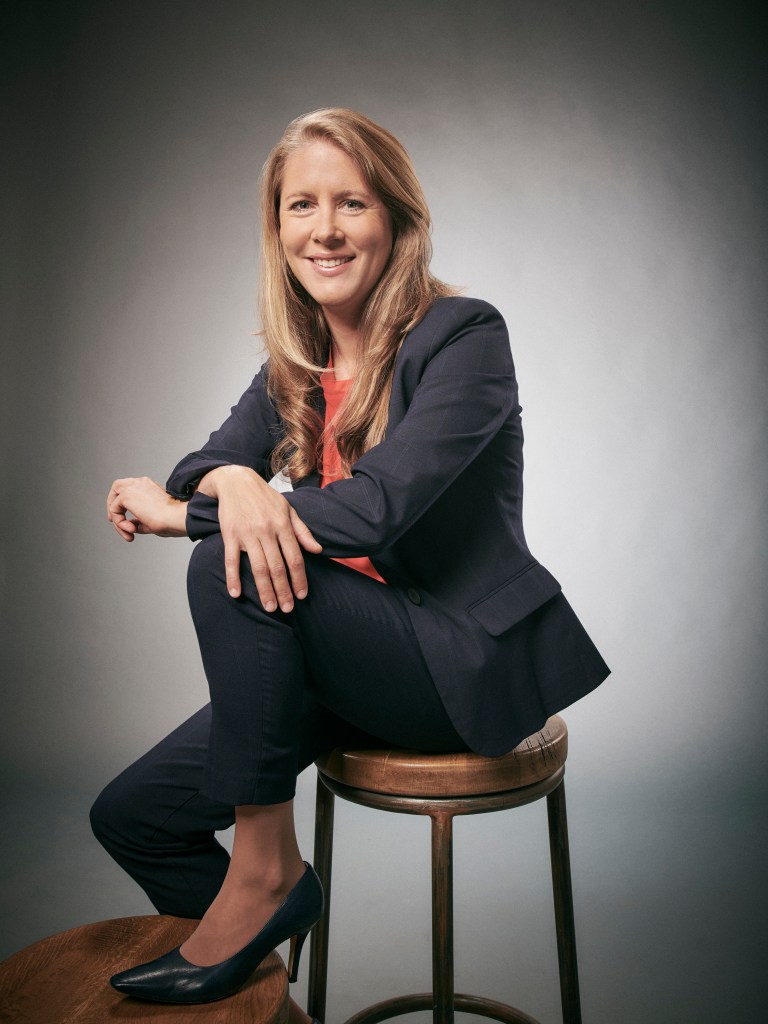
JD: It would have been easier in a “business as usual” situation. COVID-19 forced us to make decisions leading towards advanced digitalization, it led us to the new ways of working, and those are positive elements of this crisis. In terms of getting people on-board, communicating the strategy, getting the organization energized for a new future are more difficult tasks, because people are more detached by being at home – the organization can’t connect with them on the same level. But announcing the strategy early helped, because the idea of giving the whole organization a vision of long-term growth with a specific aim on where we want to be and how to get there gives a positive message and ensures everyone that while we are going through a hard time now, we know where we are heading.
BK: Regarding UNIQA’s corporate culture: how many female leaders were there before you, is it a new thing or have they been doing this for a long time?
JD: On the Group Executive Board level there are still no females, but internationally – at the subsidiaries – there are some other women leaders. In Hungary, I am the first female CEO, so that’s a change in the organizational culture. Forty-three percent of our managers and directors are female and 74% of our whole staff are female, so we are a gender-diverse organization.
BK: You are not only a female leader, but also a family-oriented woman, mother of three children. What was on your mind when UNIQA offered you this promotion?
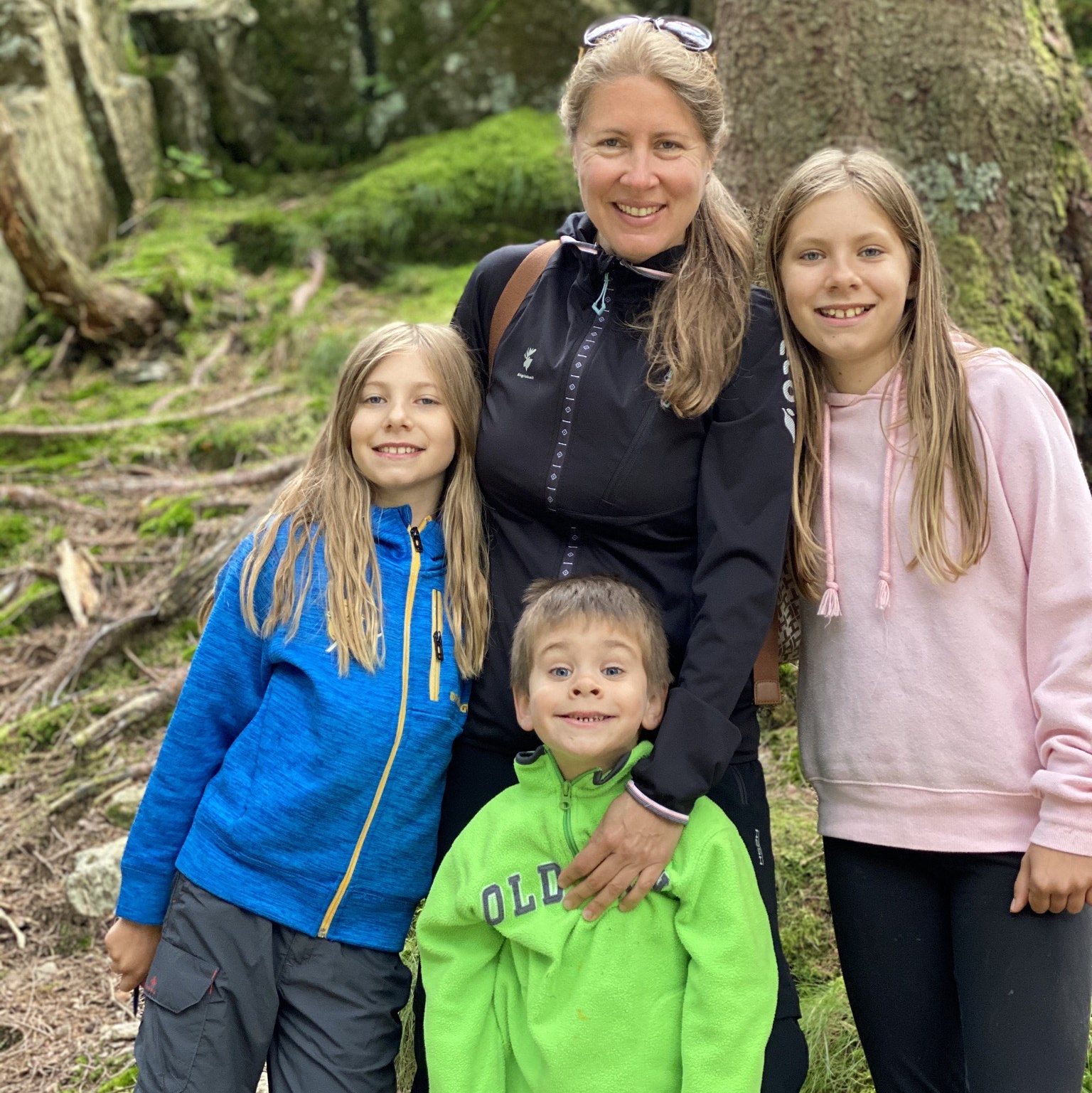
JD: To be honest, it was a difficult decision. I am at that point of my life where I feel that I have had a strong career behind me, so I didn’t feel the need to advance for the sole purpose of advancing my career. However, I saw an organization with great people, great ideas, in an industry that desperately needs change, and I couldn’t pass up the opportunity to be a part of making that happen.
BK: Your story is really inspiring. Is there any compromise? I remember you were quite sporty, do you still have time for that, or did you have to give up on something?
JD: I am still trying to be active. One thing that I decided is that it would be unrealistic to think that I won’t need to make changes in my life. I tried to prioritize the things that are important to me, the things that make my family happy, and I left those unchanged. Staying healthy is important, so I wake up at 5:45 in the morning, do some exercise, walk our dog, and go to work. Although I do get comments from my daughters, like “Why can’t you take us to school every day?” If I had more time I would, but this is where the compromises have to come in. All in all, it is worth it. Just last week we had a video for International Women’s Day about diversity at UNIQA. I was in that video, talking about how we have no glass ceilings in the organization. My daughters watched it with me, and seeing the look in their eyes made me think that sending those messages loud and clear to them is more important than taking them to school every day.
BK: You mentioned that it is hard to separate home and work – this is the other side of the coin in the new ways of working. As a mother it could be even more difficult. Is there any way to deal with this?
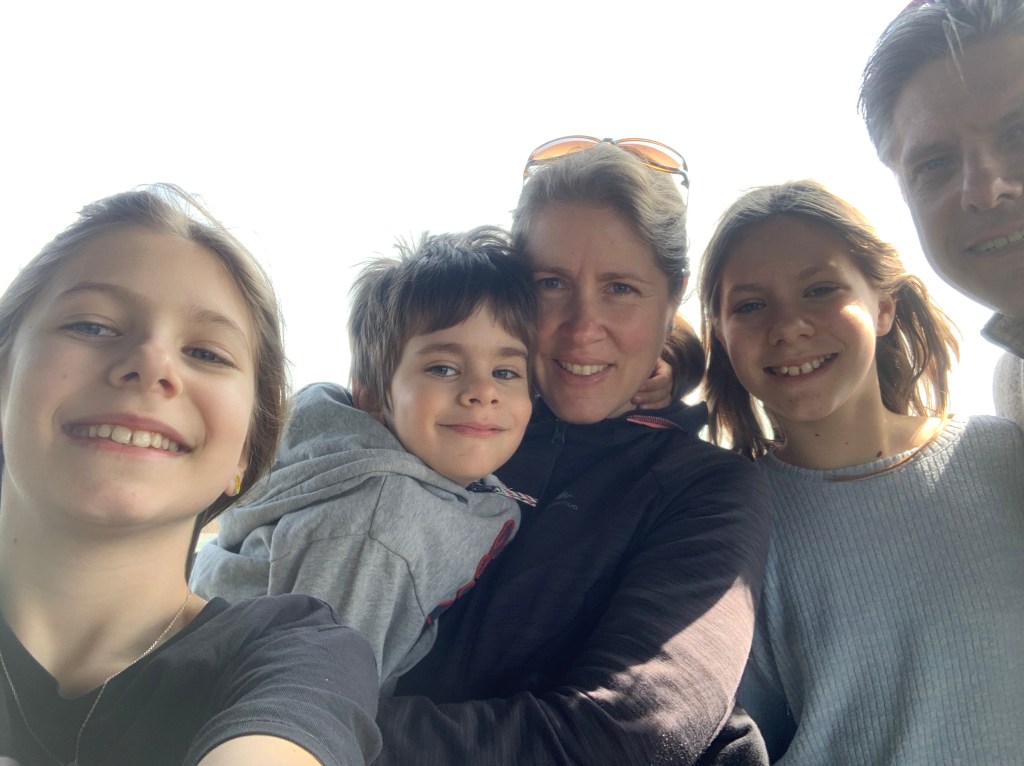
JD: I think it depends a lot on your children’s age. Older ones can understand that when you’re in the study and the door is closed, you are working, but with the younger ones it’s really difficult. From a working mother’s perspective if schools and kindergartens are up and running, the new ways of working will be something that actually can benefit your work-life balance, because you have to travel less to the office and you can spend more time with your kids after school.
BK: Do you think that experiencing this firsthand helps you change your organization in a way that fits your female employees?
JD: Yes, my first thoughts when schools and kindergartens closed were about the mothers. We developed support programs assisting them with their work-life balance, and we have external providers to help our employees. I think it’s an interim process, and hopefully it won’t be a long-term problem.
BK: What are your management priorities? How do you see yourself in three years, what do you want to achieve?
JD: I’ve put a lot on the agenda, the strategy that we announced is focused on growth. We are a medium-sized player in the market, we must differentiate ourselves because we don’t have the scale yet. Our product mix is balanced, so we need to discipline the organization to focus and invest in some areas. We have innovative ideas on how to grow our market share, so realizing that successfully is a priority. Also, developing a more lean and agile operating model is also on our agenda in order to efficiently support our growth initiatives. I will feel successful if I build a company that has a solid base and can grow in a sustainable way even after I leave.
BK: Would you feel personally satisfied if the company could run without you being there?
JD: Absolutely, I will feel satisfied if I’ve made the changes and I’ve set the company on a path to sustainable success. Obviously, it would be interesting to see how it’s running, but I don’t have a plan for that far from now. I think the next three years is the next step, and then we’ll see where life takes me.
 BCG BUD Alumni